What Regenerative Farming in Coffee Looks Like in 2026
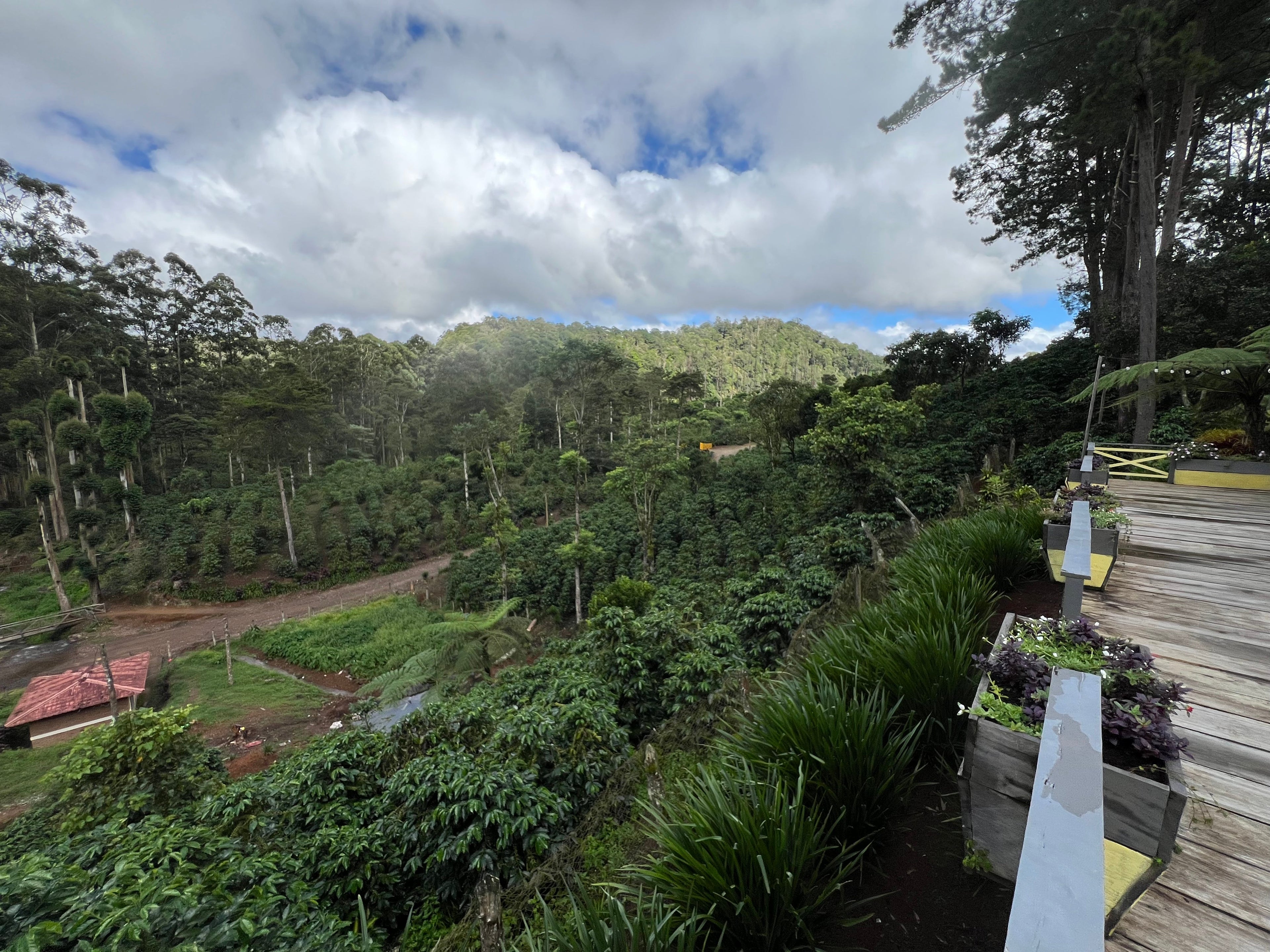
Regenerative is an easy word to put on a bag and a hard one to practise on a slope. Shade left standing, cover between the rows, a nursery of 9,806...

From Matagalpa With Love: Regeneration, Craft, and Holiday Plans

At El Quetzal Coffee Co., we believe little wins add up to lasting change. This week’s update from the farm is about that kind of progress: smarter drying, sharper protocols, healthier plants—and a people-first approach that makes it all stick.
What “Regenerative Farming” Means at EQCC

When we say “regenerative,” we mean practices that restore the ecosystem and strengthen the human systems around it. From Ana’s training sessions and the team’s day-to-day choices, here’s what that looks like in practice:
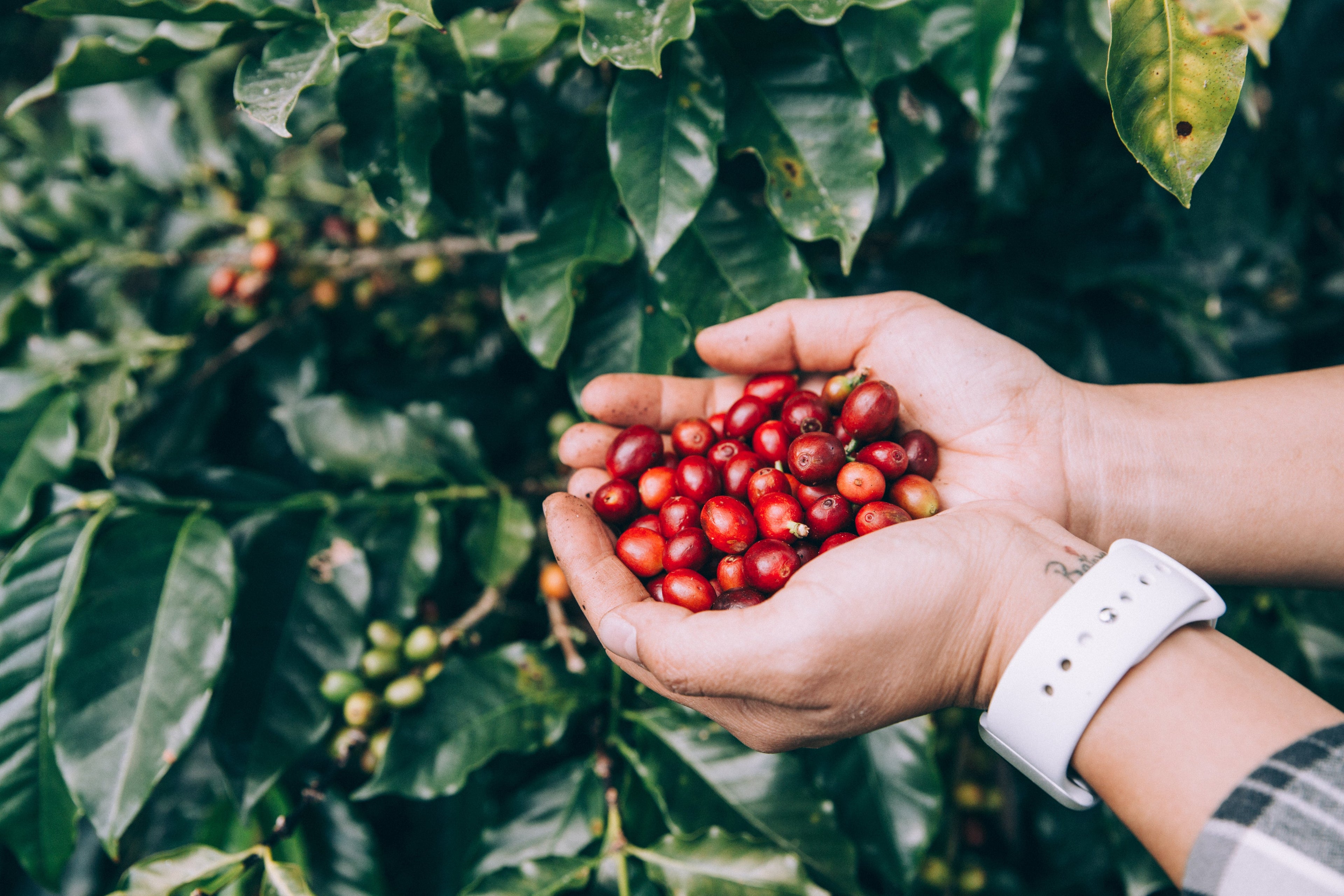
- Plant-health obsession. Ana’s benchmark is simple and visible: deep, bottle-green leaves and uniform vigor across the lots. We’re tightening harvest hygiene (minimizing mud exposure and damaged skins), which reduces defects and protects a living seed.
- Selective, gentle picking. Regular staff and seasonal pickers are trained to cherry-pick ripeness and avoid ruptured fruit—key to preventing unwanted microbes and preserving flavor potential.
- Process control = less waste, more quality. Our newly built pre-secado structure improves airflow and humidity/temperature balance, cutting drying time from ~1 month to ~2 weeks. Faster, controlled drying lowers fermentation risk and reduces rework and loss.
- Living SOPs for everyone. New protocols are written in clear steps with supporting pictures so even non-readers can master them—raising consistency without leaving anyone behind.
- Traceability as stewardship. We’re logging lot-level data (moisture, temps, fermentation type, drying method) so buyers can follow a coffee’s care from harvest to export. Goal for next harvest: QR codes on bags linking to each lot’s journey.
- Resilience by design. Annual nursery programs (30–60k plants) keep the farm younger, healthier, and more diverse across process styles (washed, honey, natural; aerobic and anaerobic ferments), matching market demand without exhausting any single pathway.
- Human regeneration. Incentives, upskilling, and dignity at work—Ana’s running longer, deeper trainings; people are excited, learning, and proud of the improvements they lead.
In short, we’re regenerating soil-to-cup value: fewer defects, tighter variability, more flavor integrity, and a stronger community to sustain it.
Craft You Can Taste

This season features Java, Catuai, and Geisha across washed, honey, and natural processes—with controlled anaerobic fermentations for our most selective partners. Japanese buyers return each January to cup and reserve their preferred profiles (Java Anaerobic is a staple), and our improved process control will take that experience further.
Faster Drying, Cleaner Lots
The new pre-drying system means we deliver parchment at ideal moisture, quickly and safely. That translates into brighter cups, fewer aged notes, and more confidence for roasters who watch moisture curves closely.
Where We’re Growing

With the next Grain de Sail voyage and roaster partners in France, Switzerland, and the UK, Europe continues to be our focus—both for tariff resilience and for consistent specialty demand. Building these channels now sets us up for a smoother 2026.
Pre-Reserve 2026 Lots

We’re opening conversations now for early commitments on Java (washed, honey, anaerobic) and select Catuai/Geisha profiles. If you buy on differentials over the C-price, we can align on process premiums and share our latest lot controls and moisture data.
- Request samples (Europe/UK via Grain de Sail; US via DHL)
- Get an offer sheet sent to you.
- Discuss forward differentials for 2026 profiles
- Get the holiday assortment one-pager (pricing & ship windows)