In Search of the Elusive Laurina
Laurina carries roughly half the caffeine of typical arabica and a fraction of the yield, which is why almost nobody grows it. Here is what it takes to keep it...

Introducing One of the Rarest Coffees on Earth: Nicaraguan Laurina from El Quetzal

Every now and then, a coffee comes along that makes even seasoned roasters stop in their tracks.
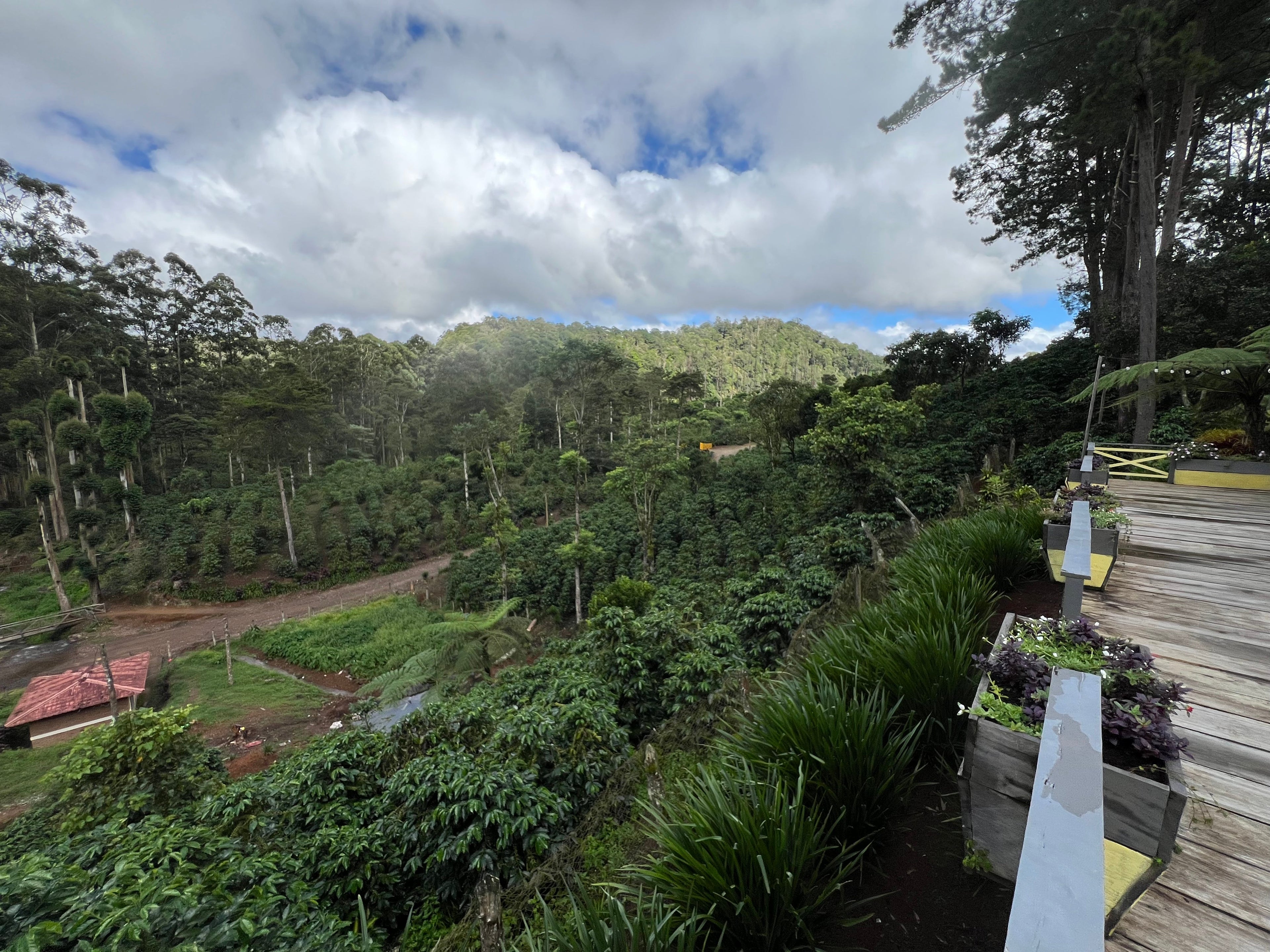
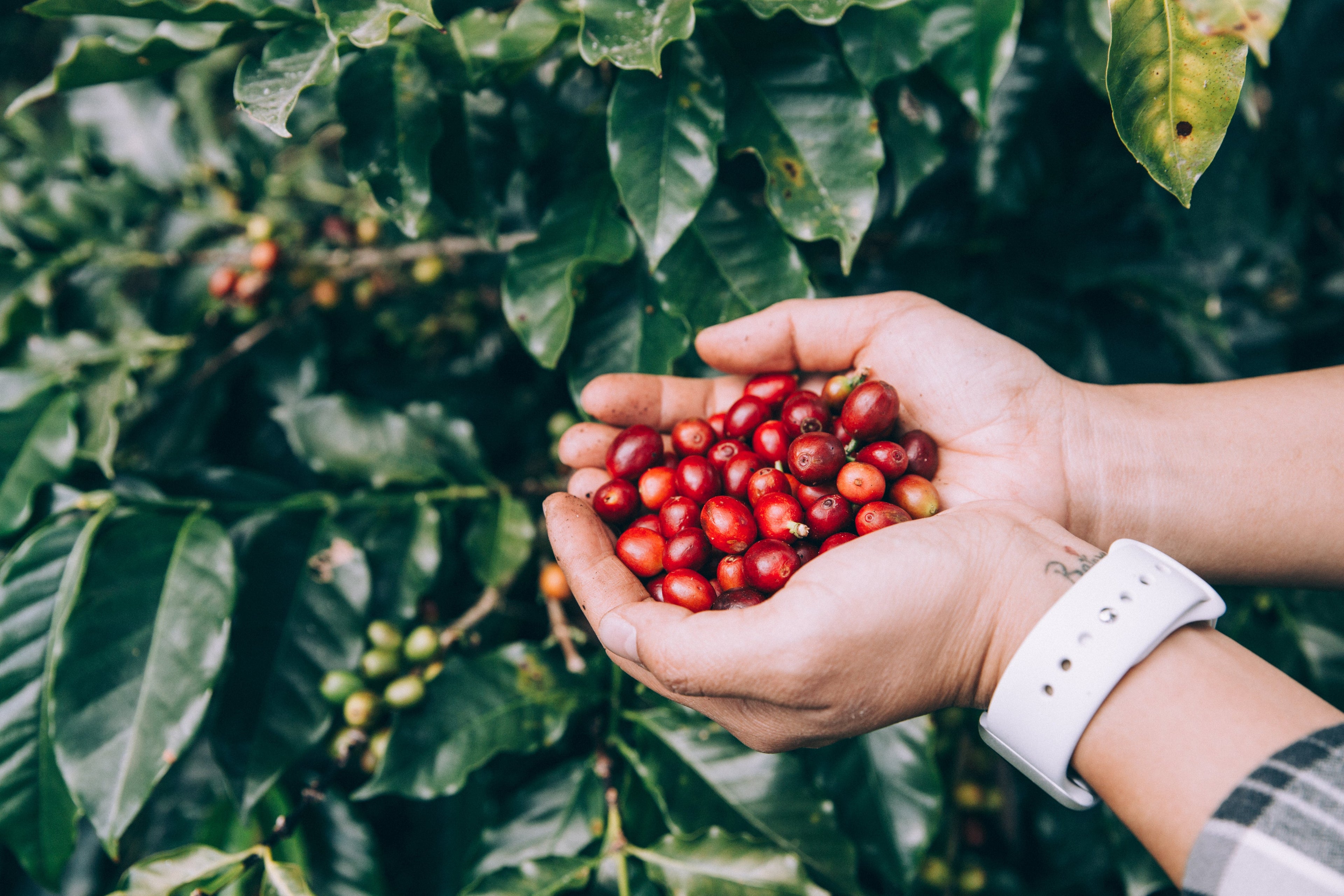
This year, that coffee is Laurina — an exceptionally rare, naturally low-caffeine microlot grown high in the mountains of Nicaragua and harvested by hand on our family’s 78-year-old farm.
If you’re a roaster, café owner, or lover of exotic micro-origin coffees, this is one you don’t want to miss.
What Makes Laurina So Special?

Laurina — sometimes called Bourbon Pointu — isn’t just another varietal. It’s a natural mutation of Bourbon that delivers:
- 40–60% less caffeine than standard Arabica
- Zero chemical processing (this is not decaf — this is how the plant grows)
- A delicate, tea-like sweetness rarely found in coffee
- A pointed bean shape and tiny screen size that roasters love working with
- Current cupping score: 85
This is the kind of microlot buyers hunt for. Not because it’s trendy — but because it’s genuinely different.
Why Nicaragua? Why El Quetzal?

Laurina grows in only a handful of places worldwide… but Nicaragua has quietly become its strongest home in Central America.
At El Quetzal, our Laurina trees sit at high elevations on volcanic soil, nurtured by:
- Decades of innovation — including shade-grown eucalyptus canopies planted in the 1960s
- Hydroelectric power that fuels the entire farm with almost no ecological footprint
- A multi-generation team who have tended these micro-parcels for decades
- Daily soil and nutrient management that strengthens these fragile trees
This year’s Laurina was grown on one of the smallest parcels on our mountain — small enough to walk across in minutes — but it delivered one of the most expressive profiles we’ve ever cupped.
Flavor Profile: Where Elegance Meets Energy

Laurina is deceptive: low caffeine, huge character.
Tasting Notes:
- Apricot
- Raspberry
- Lemon zest
- Milk chocolate
- White tea
- Silky body, juicy texture
- Clean, gentle acidity
Many compare it to a refined Gesha — but with softer edges and more nuance.
If you want a single origin that sparks conversations at the bar, this is it.
Caffeine by Comparison
Coffee Type
Avg. Caffeine Content
Robusta
2.2%–2.7%
Arabica
1.2%–1.5%
Laurina
0.4%–0.6%
Perfect for customers who want clarity, focus, and flavor — without the jitters.
Why Laurina Is Rare (and Why It Matters)

Laurina trees are notoriously low-yield.
They’re fragile.
They’re slow to mature.
And they’re expensive to grow.
Most farmers avoid them.
But the payoff — in the cup and at the cupping table — is undeniable:
- A naturally low-caffeine, fully traceable microlot
- A boutique rarity that elevates any roastery’s lineup
- A flavor profile that immediately stands out
- A story customers remember and retell
Our 2025 volumes are extremely small. Demand is already exceeding availability.
💡 Brewing Recommendations
For Filter (V60 / Chemex)
- 1:15 ratio
- 195–200°F water
- Medium grind
- Longer bloom to highlight sweetness
For Espresso
- 18g in → 36g out
- 28–32 seconds
- Expect a juicy, round shot with bright fruit
Because Laurina is lower in caffeine, a slightly finer grind helps bring out depth.
🟩 A Microlot With a Soul

Behind this coffee is a fourth-generation Nicaraguan farm defined by:
- A female-led leadership team
- A hydroelectric plant powering the farm
- Generations of families who have lived and worked on the land
- Deep sustainability and regenerative farming
- Micro-parcels that create truly distinct flavor expressions
This is coffee with a story — and a community — behind every single cherry.
🔥 Pre-Order Now for 2026 — 2025 Buyers Get Priority
Our Laurina production is extremely limited.
To secure volume for 2026, we are opening early pre-orders now.
2025 customers will be prioritized in the allocation process.
If you want guaranteed access to this microlot in 2026 — especially in larger quantities — the time to reserve is right now.
📩 To place a pre-order or request a sample:
sales@elquetzal.coffee
🌐 Explore more at: www.elquetzal.coffee