From Nursery to Harvest: Growing the Next Generation at El Quetzal
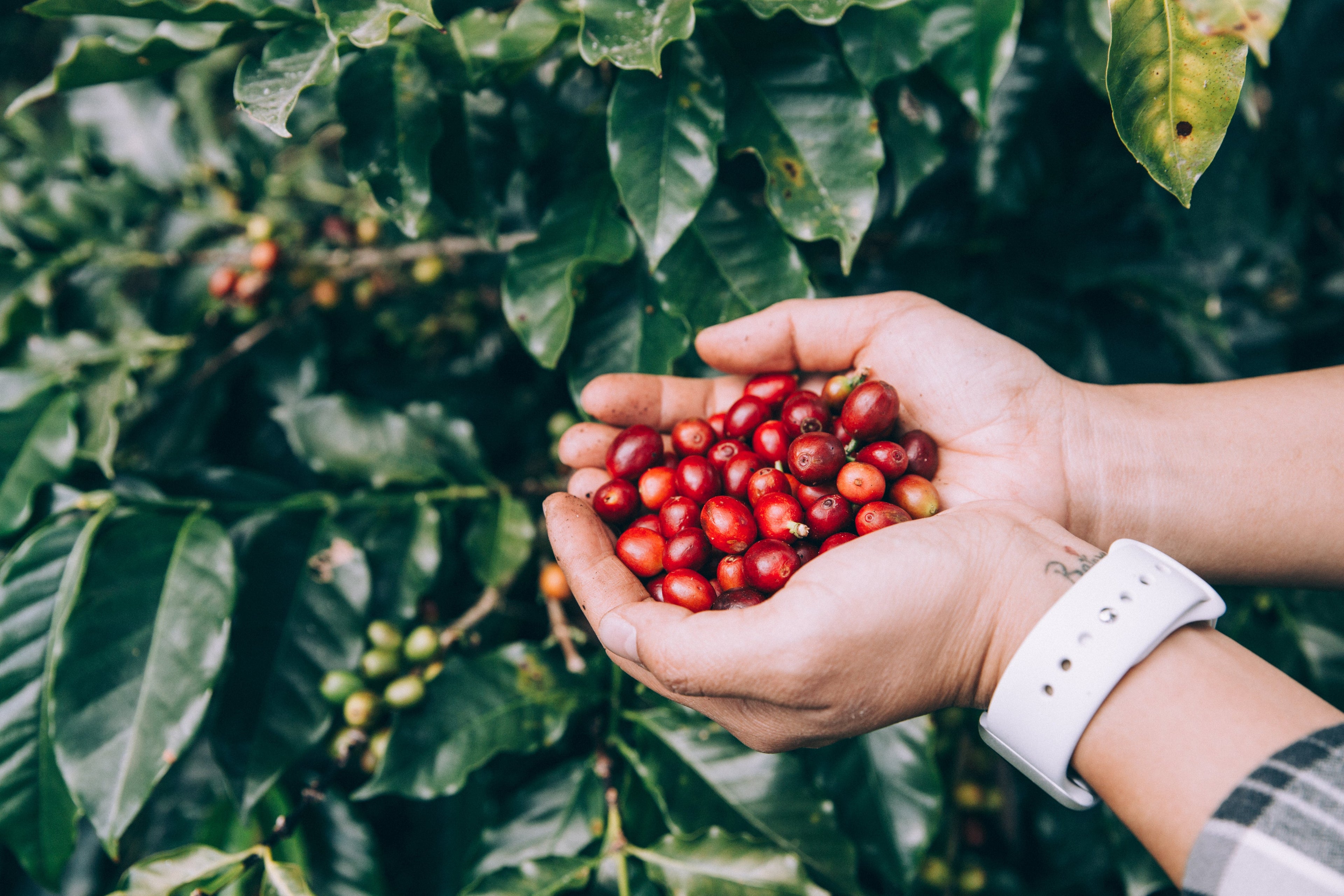
Most people think of coffee as something you harvest. But long before the first cherry turns red, there are years of patient work in the nursery.

Most people think of coffee as something you harvest. But long before the first cherry turns red, there are years of patient work in the nursery.

The timeline
A coffee seedling takes approximately three years to produce its first meaningful harvest — and roughly five years to reach full production potential. That means every tree we plant today is an investment in coffees that won't reach your cup until 2029 or later.
This timeline shapes everything about how we farm. It demands patience, careful varietal selection, and long-term thinking about soil health, shade management, and climate resilience.
Our 2024 nursery modernization
In 2024, we upgraded our nursery systems at El Quetzal Estate. The most significant change: transitioning to reusable pot systems. Traditional nursery operations use single-use plastic bags for each seedling — thousands of bags per season that end up as waste. Our reusable pots can be cleaned and cycled through multiple planting seasons, significantly reducing the plastic footprint of our nursery operations.

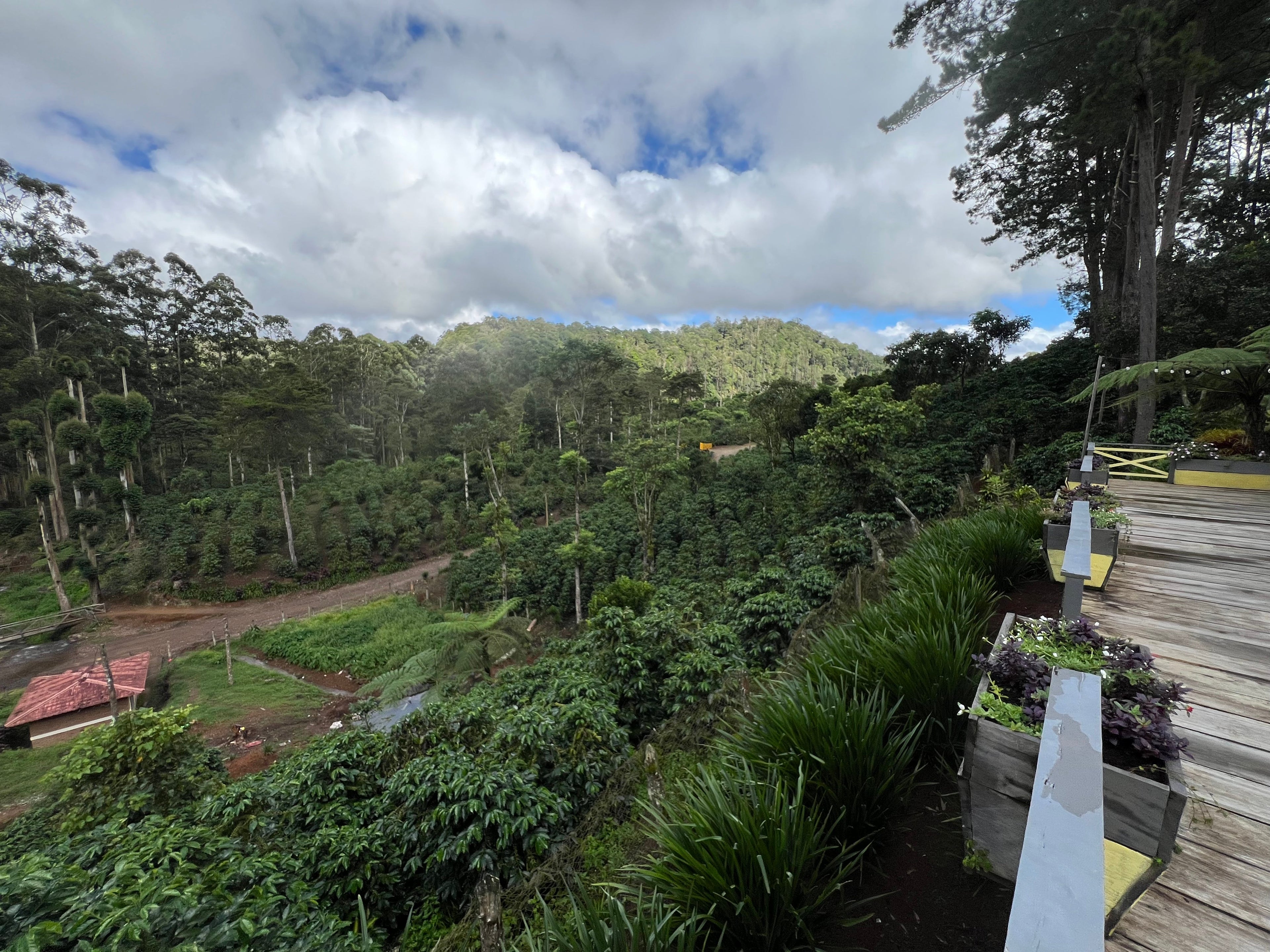
The nursery sits within the farm's grounds, giving seedlings the same cloud-forest conditions — 59 to 72°F temperatures, 89% average humidity — that they'll experience when transplanted to their permanent growing positions. This means less transplant shock and stronger early development.

What we're growing
Our current nursery program includes seedlings for Java, Yellow Catuai, Geisha, Pacamara, and Marsellesa — each selected for its cup quality, resilience, and productivity. We balance what the market values with what the land can sustain.
As recent plantings mature over the coming years, we expect meaningful production increases — the next chapter in a story that began when Don Paco first planted this hillside in the 1960s.

The bigger picture
Farming is inherently long-term work. The trees Don Paco planted decades ago are still producing today. The seedlings we nurture this year will still be bearing fruit long after us. Each generation plants for the next — and at El Quetzal, that's been true since 1947.
Explore our varietals → | Learn about our family's story →
Learn More About Our Family
The Bendaña McEwan family has been growing specialty coffee in Matagalpa since 1947. Read our story →